
Drought
Droughts happen when there are long periods of time with very little or no rainfall. A drought is usually declared when the dry period has limited some form of human activity like farming. This could take weeks or months depending on the area.
In periods of drought, soil can become too dry for plants and crops to grow. Water supplies can also be reduced – rivers and lakes can dry up and there will be less rainfall collected in dams and rain tanks. Water levels can take months to recover after the drought is over.
Drought and heatwaves can often happen at the same time. When this happens, wildfires can be more likely.
There are lots of ways that you and your community can prepare for drought.
Soil Health & Regenerative Agriculture
Support regenerative farming: Encourage local growers and rural groups to practice conservation agriculture, crop rotation, cover cropping, and agroforestry to maximize soil moisture retention.
Organize composting drives: Build community compost programs to improve local soil structure, helping land absorb and hold water more effectively.
Education & Capacity Building
Host local workshops: Run practical sessions on greywater recycling, low-flow plumbing retrofits, and dry-climate gardening.
Integrate school programs: Teach water conservation habits and climate resilience projects in local schools so youth build lifelong practices.
Share localized tracking tools: Use regional drought-forecasting or early-warning alerts to notify neighbors of changing water restrictions early.
Water-Wise Landscaping & Urban Greening
Promote native plantings: Replace water-heavy lawns and public green spaces with drought-tolerant, native vegetation that requires minimal irrigation.
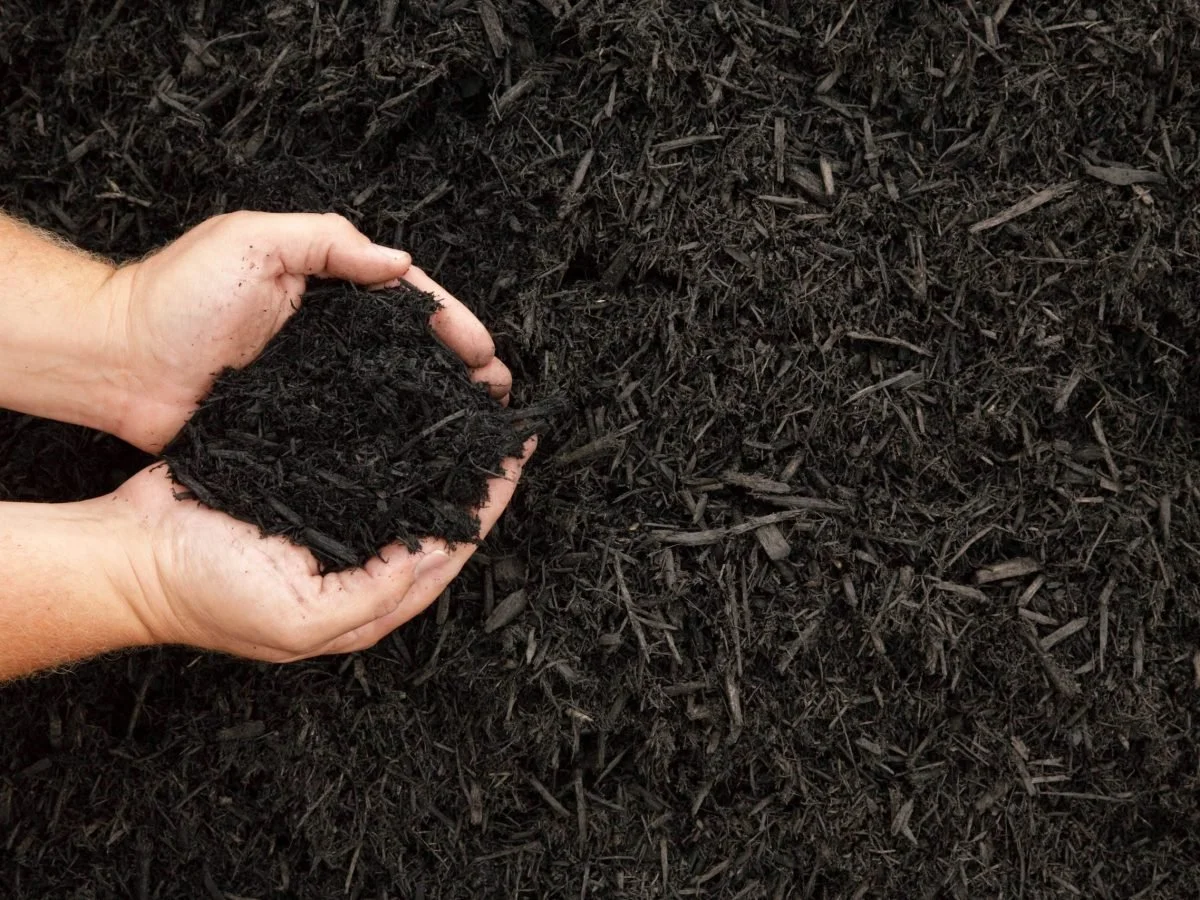
Use heavy mulching: Apply wood mulch across community gardens and public beds to significantly slow soil moisture evaporation.
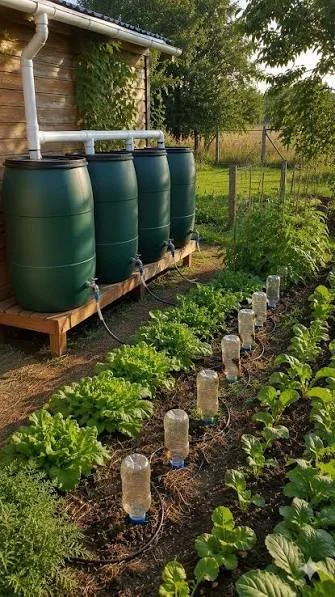
Adopt efficient irrigation: Transition public parks and community plots to drip irrigation or smart timers rather than high-loss sprinkler systems.
Collective Water Conservation & Infrastructure
Set neighborhood or town-wide water reduction goals and track progress together to ease pressure on shared municipal supplies.
Coordinate the installation of neighborhood rainwater harvesting systems, community water reservoirs, or shared storage tanks.
Form volunteer or local-maintenance groups to inspect and repair public and shared plumbing or irrigation leaks promptly.